Chemical peels are a popular cosmetic treatment designed to improve the appearance of the skin. Whether you’re dealing with acne scars, sun damage, or simply looking for a more youthful glow, chemical peels can be an effective solution. Here’s everything you need to know about this skincare treatment.
What is a Chemical Peel?
A chemical peel involves the application of a chemical solution to the skin, which causes the outer layers to exfoliate and eventually peel off. The new skin that emerges is usually smoother, less wrinkled, and more even in tone. Chemical peels can vary in strength, depth, and formulation, making them suitable for various skin types and concerns.
Types of Chemical Peels
- Light Peels: These are the mildest type and typically use alpha-hydroxy acids (AHAs) or beta-hydroxy acids (BHAs) to gently exfoliate the outer layer of skin. They are effective for treating minor skin issues, such as dryness, uneven skin tone, and fine lines.
- Medium Peels: Utilizing trichloroacetic acid (TCA) or glycolic acid, medium peels penetrate deeper into the skin. They can address issues like moderate sun damage, wrinkles, and acne scars.
- Deep Peels: These are the most intense and often use phenol or high-concentration TCA. Deep peels target more severe skin concerns, such as deep wrinkles and significant sun damage. They require a longer recovery time but can result in more dramatic improvements.
Benefits of Chemical Peels
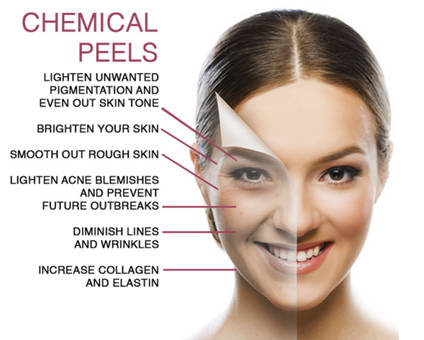
- Improved Skin Texture: Peels can help smooth rough skin and minimize the appearance of pores.
- Reduction in Acne: By unclogging pores and reducing oil production, chemical peels can significantly improve acne-prone skin.
- Diminished Scars and Pigmentation: Chemical peels can reduce the visibility of scars and dark spots, leading to a more uniform skin tone.
- Boosted Radiance: The exfoliation process reveals fresh, healthy skin underneath, resulting in a more vibrant complexion.
What to Expect During a Chemical Peel
- Consultation: Before undergoing a chemical peel, it’s essential to consult with a dermatologist or licensed professional. They will assess your skin type, discuss your goals, and recommend the most suitable peel for you.
- Preparation: You may be advised to prepare your skin with specific products before the procedure.
- Procedure: During the treatment, the chemical solution will be applied to your skin. You may experience a tingling sensation, and depending on the strength of the peel, it might feel more intense.
- Post-Care: After the peel, your skin may be red and sensitive. It’s crucial to follow post-care instructions, which may include avoiding sun exposure and using gentle skincare products.
Recovery and Results
Recovery time varies based on the type of peel. Light peels may require little to no downtime, while medium and deep peels can take several days to weeks for the skin to fully heal. The results can be quite impressive, leading to smoother, clearer, and more youthful-looking skin.
Conclusion
Chemical peels are a versatile treatment option for various skin concerns, offering noticeable improvements in texture and tone. If you’re considering a chemical peel, consult a qualified professional to determine the best approach for your skin type and goals. With the right care and treatment, you can achieve a rejuvenated complexion and boost your confidence!