Acne is one of the most common skin conditions, affecting millions of people worldwide. It can impact not only physical appearance but also emotional well-being. Understanding acne’s causes, treatment options, and preventive measures is essential for effective management. Here’s a comprehensive guide to help you navigate this skin concern.
What is Acne?
Acne is a skin condition characterized by the presence of pimples, blackheads, whiteheads, and cysts. It occurs when hair follicles become clogged with oil (sebum) and dead skin cells, leading to inflammation. While commonly associated with adolescence, acne can affect individuals of all ages.
Causes of Acne
- Hormonal Changes: Fluctuations in hormones, particularly during puberty, menstruation, pregnancy, or due to hormonal disorders, can increase sebum production, leading to acne.
- Excess Oil Production: Overactive sebaceous glands can produce more oil than necessary, contributing to clogged pores.
- Bacteria: The skin naturally hosts a bacterium called Propionibacterium acnes (P. acnes), which can multiply in clogged pores and cause inflammation.
- Diet: Certain dietary factors, such as high glycemic index foods and dairy, have been linked to acne in some studies, although more research is needed.
- Stress: While stress doesn’t directly cause acne, it can exacerbate existing conditions by triggering hormonal changes.
- Cosmetics: Some makeup and skincare products can clog pores, especially if they are oil-based or comedogenic.
Types of Acne
- Comedonal Acne: Includes blackheads (open comedones) and whiteheads (closed comedones). These are non-inflammatory types of acne.
- Inflammatory Acne: Characterized by red, swollen pimples. This type includes papules and pustules.
- Cystic Acne: A severe form of acne that results in painful, deep cysts. It often requires medical intervention.
Treatment Options
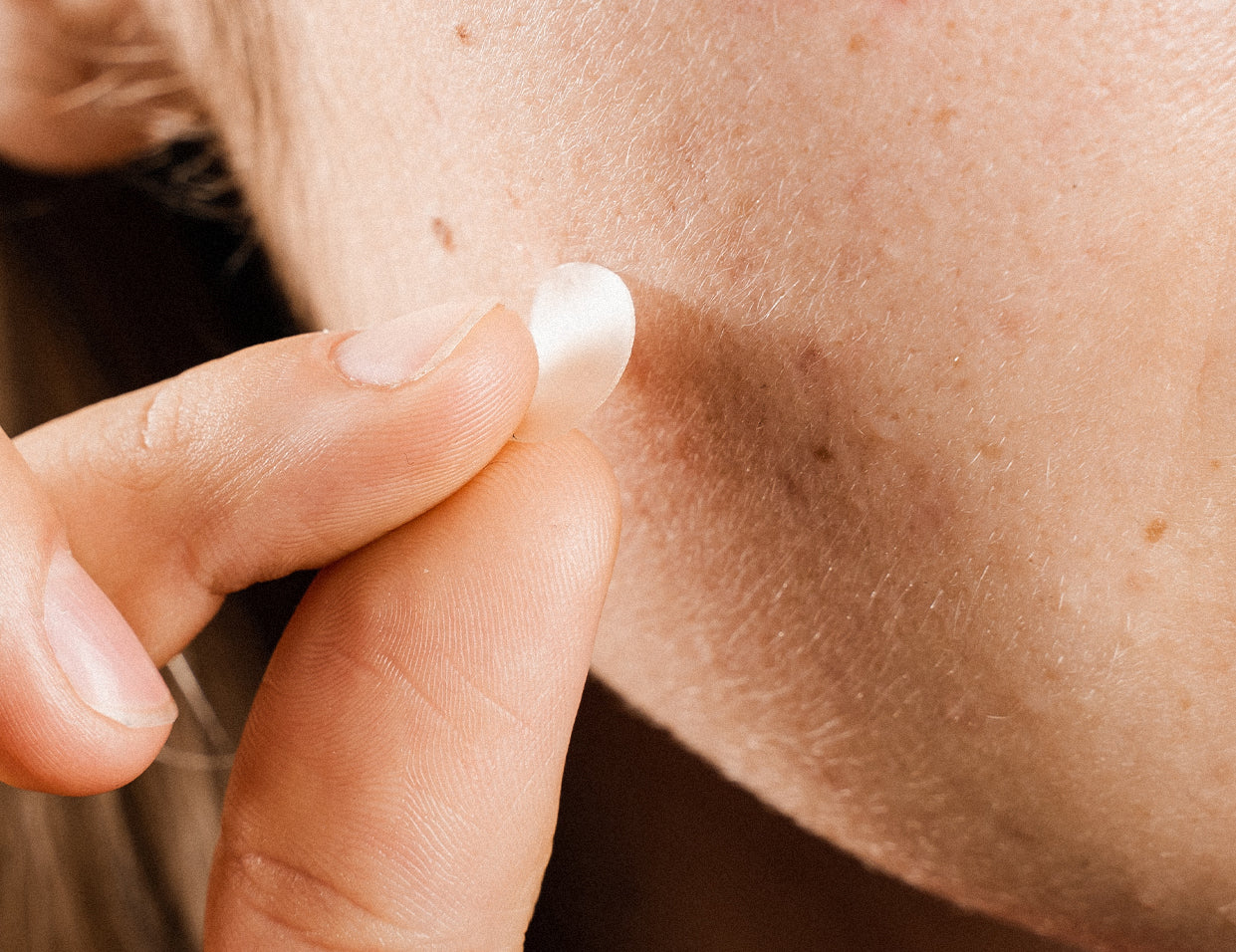
- Topical Treatments: Over-the-counter (OTC) options often contain ingredients like benzoyl peroxide, salicylic acid, or retinoids. These help reduce oil, unclog pores, and promote skin cell turnover.
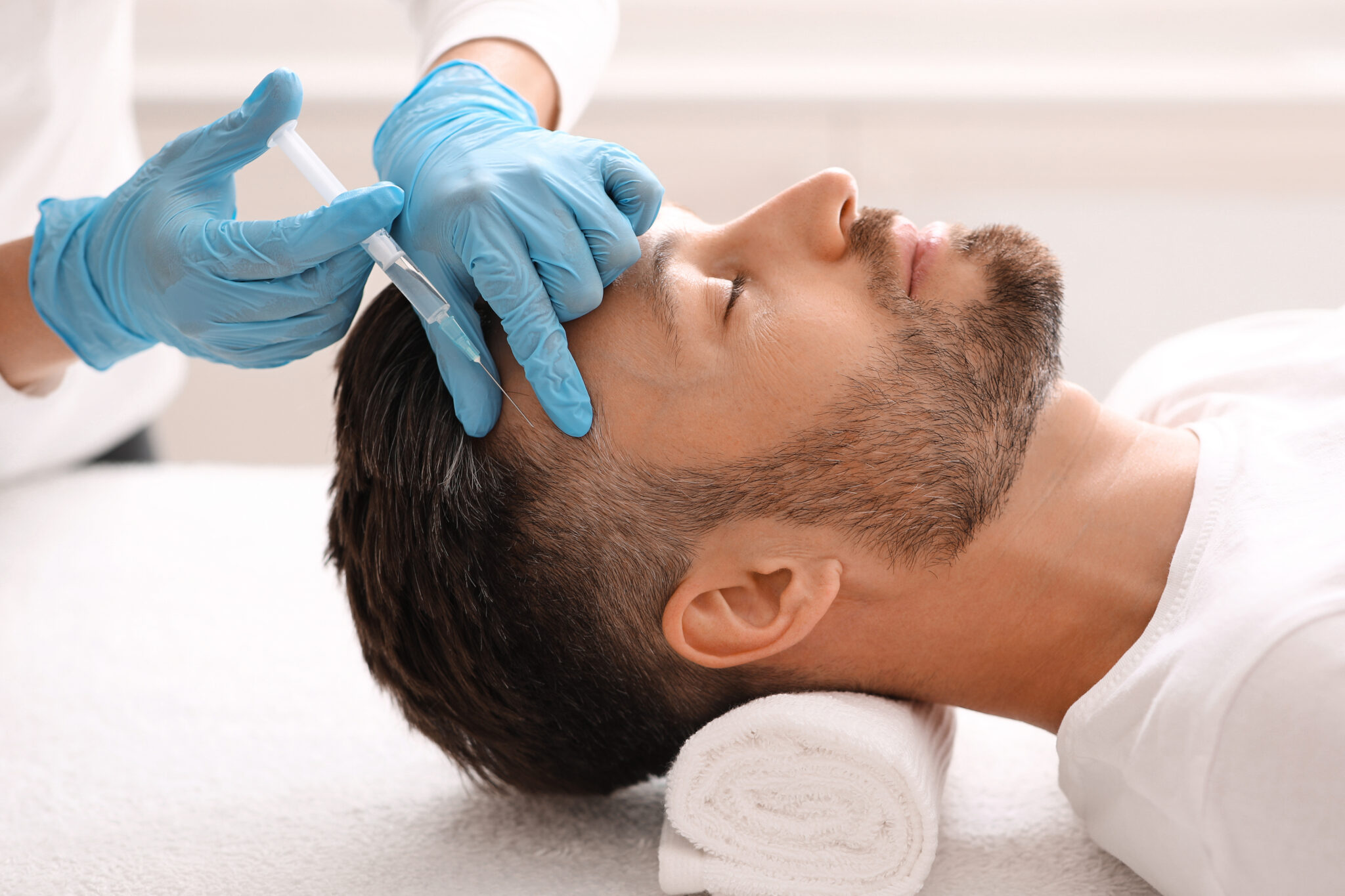
- Oral Medications: In more severe cases, dermatologists may prescribe antibiotics, hormonal treatments (like birth control pills), or isotretinoin for persistent cystic acne.
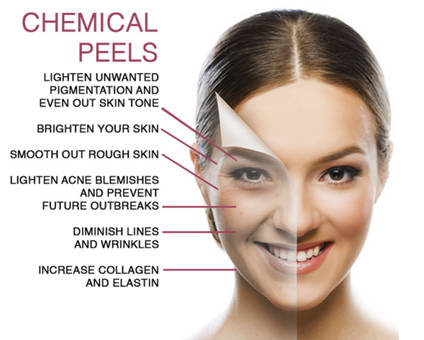
- Chemical Peels: These treatments involve applying a chemical solution to exfoliate the skin, reducing acne and improving skin texture.
- Laser Therapy: Some lasers target bacteria, reduce oil production, and minimize scarring.
- Lifestyle Changes: Incorporating a healthy diet, staying hydrated, and managing stress can contribute to overall skin health.
Prevention Tips
- Cleanse Regularly: Use a gentle cleanser twice a day to remove excess oil and impurities.
- Moisturize: Even oily skin needs moisture. Choose non-comedogenic moisturizers to prevent clogging pores.
- Avoid Touching Your Face: Keep your hands away from your face to minimize the transfer of bacteria and oil.
- Choose Non-Comedogenic Products: Opt for makeup and skincare labeled as non-comedogenic, meaning they won’t clog pores.
- Stay Hydrated: Drinking enough water can help maintain skin health and balance oil production.
When to See a Dermatologist
If your acne is severe, persistent, or causing emotional distress, it’s crucial to consult a dermatologist. They can provide tailored treatment plans and help manage any potential scarring or complications.
Conclusion
Acne can be frustrating, but understanding its causes and available treatments empowers you to take control of your skin health. With the right approach, it’s possible to manage acne effectively and regain your confidence. Remember, patience is key, and finding the right treatment may take time.